Mould
How to get rid of mould on walls, and why it returns
Lasting mould removal starts with finding and controlling the moisture source. Cleaning visible growth does not establish why it developed, whether hidden materials are affected or whether the wall is dry enough to stay free of recurring growth.
DAC Investigative Reporting
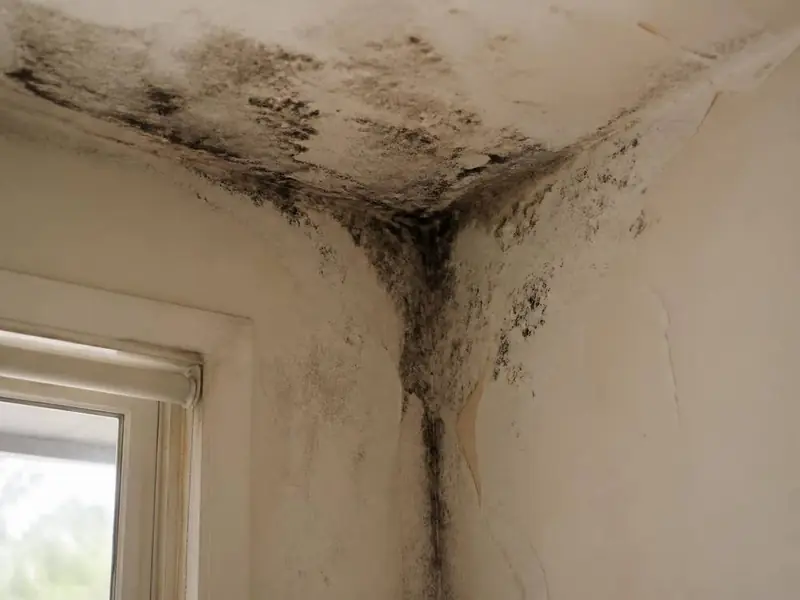
Why does mould keep coming back?
Moisture may come from condensation, plumbing, a wet area, roofing, a balcony, drainage or an external wall. A visible patch does not identify which source is responsible. Painting over it or repeatedly cleaning the surface leaves that question unanswered.
An assessment compares affected and adjoining areas. Temperature, humidity and ventilation are considered alongside the condition of the materials and the history of leaks, weather events and previous work.
What should you do before an assessment?
Photograph the growth and note when it appeared, whether it changes after rain or water use, and whether previous cleaning or repairs helped. Limit access by children, pets and susceptible occupants where practical.
- Do not dry-brush, sand, scrape or paint over suspect growth.
- Do not use an ordinary vacuum on affected material.
- Do not open wall or ceiling cavities before the moisture source and work controls are understood.
- Use normal ventilation only where it will not spread material from an actively affected area.
What does a mould investigation establish?
Visual inspection and moisture readings help map the affected area. Thermal imaging may help locate a moisture pattern, but it is used alongside direct readings and the other observations. Accessible plumbing, wet areas, roof and wall junctions, drainage and condensation factors are progressively considered.
Sampling is not automatic. It is useful when identification or further analysis is likely to change the assessment, work method or verification plan. Concealed areas may require a borescope or an agreed access point; inspection limits belong in the report.
How is remediation different from surface cleaning?
The work scope follows the investigation findings, affected materials, occupancy risks and available access. It may include containment, controlled removal of porous materials that cannot safely remain, HEPA-filtered cleaning, air management and structural drying with regular moisture checks.
Repairs to the source, drying and mould work need an agreed sequence. Completion photographs and final readings record the result, while independent post-remediation verification can be arranged where the project calls for it.
When should you seek help?
Arrange an assessment when growth returns, materials stay damp, the area involves porous or damaged finishes or a cavity, or several rooms are affected. Occupants with severe asthma, chronic lung disease, allergies or weakened immune systems may need additional precautions.
A property assessment cannot diagnose a health condition. Seek medical advice for persistent or concerning symptoms, and call 000 for a life-threatening emergency.