Investigation
Mould inspection and moisture investigation in Melbourne
Melbourne mould detection, mould testing and moisture investigation: find out where the water is coming from before any mould removal starts
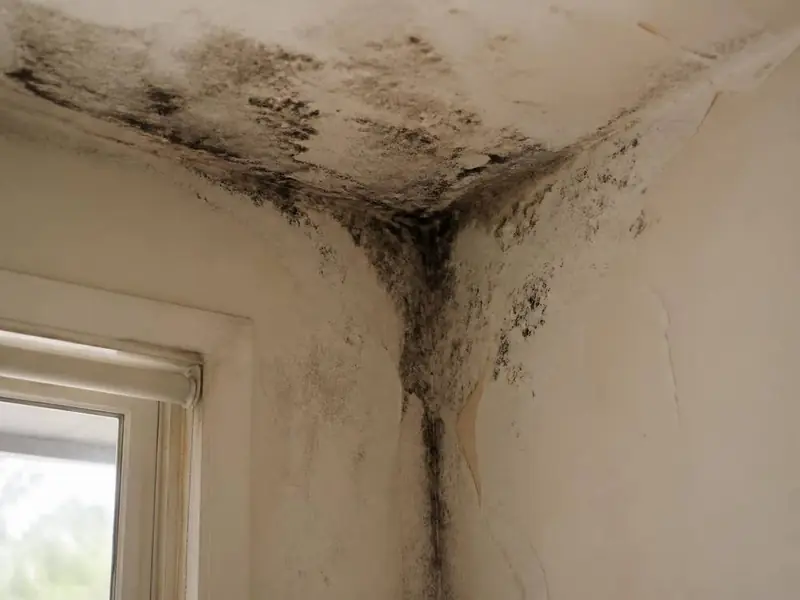
Mould on a wall, a damp smell or a patch of damaged paint tells you there is moisture somewhere. It does not always tell you where it started.
We carry out mould inspections across Melbourne and regional Victoria. We inspect the affected area and the spaces around it, take readings and check the likely sources. The aim is simple: work out what is getting wet, why it is happening and what needs to be fixed.
Visible mould is usually a sign that moisture has remained available long enough for growth to occur. Cleaning the surface alone does not explain why it developed or whether affected material extends beyond the visible area, which is why mould removal in Melbourne homes so often fails the first time.
What we check
- Visible mould, staining, odours and damage in the affected and adjoining areas.
- Moisture levels across walls, floors and ceilings.
- Electronic moisture mapping, backed up with direct readings.
- Thermal imaging where it can help locate a hidden moisture pattern.
- Temperature, humidity, ventilation and signs of condensation.
- Accessible plumbing, drainage, roofing, balconies, wet areas and external walls.
- Cavities using a borescope or small access point when needed.
- Mould or material samples only when the result will answer a useful question.
Sampling is not automatic. It may be recommended where identification or further analysis is likely to change the risk assessment, work method or verification plan.
When to arrange an assessment
- Visible spotting, staining, surface growth or discolouration.
- A persistent earthy or musty odour, including inside cupboards or closed rooms.
- Paint blistering, plasterboard softening, swollen skirting boards or damaged finishes.
- Condensation on windows, walls or ceilings that returns regularly.
- Materials that remain damp, or mould that returns after surface cleaning.
- Health symptoms that appear worse in a particular room or building; symptoms require medical assessment and do not identify the building cause on their own.
Safe steps before we attend
- Photograph the area and note when it first appeared or changed.
- Limit access by children, pets and susceptible occupants where practical.
- Use normal ventilation only where it will not spread material from an actively affected area.
- Do not dry-brush, sand, scrape, paint over or use an ordinary vacuum on suspect growth.
- Do not open wall or ceiling cavities before the moisture source and work controls are understood.
How we investigate
- 1
Establish the history
We record when the condition appeared, previous repairs, weather events, plumbing issues, condensation and occupancy factors.
- 2
Map the affected area
Visual inspection, moisture readings and thermal imaging are used where suitable to compare materials and identify patterns.
- 3
Investigate the moisture source
Accessible plumbing, wet areas, roof and wall interfaces, drainage, ventilation and condensation factors are progressively considered.
- 4
Assess materials and access
Porous finishes, cavities, insulation, flooring and contents are considered, including areas that cannot be confirmed without further access.
- 5
Use targeted testing where justified
Sampling or further trade testing may be recommended when it will materially assist identification, scope or verification.
- 6
Report the findings
The report records evidence, limitations, likely contributing conditions and the recommended remediation or repair sequence.
What the report covers
We set out the findings in plain language, including:
- What we saw and which tests we completed.
- Moisture readings, mapped areas and photographs.
- The confirmed or most likely source.
- Which accessible materials appear to be affected.
- Any ventilation, condensation or maintenance issues adding to the problem.
- The recommended order for repairs, drying and mould work, along with any inspection limits.
If the testing does not point to one clear source, we say so and explain the next useful step.
Health considerations
Mould exposure can be associated with nasal congestion, sneezing, coughing, wheezing, eye or skin irritation, and may worsen asthma or allergic conditions. People with severe asthma, allergies, chronic lung disease or weakened immune systems may be more susceptible. Most people do not develop serious illness from ordinary contact, and a property moisture assessment cannot diagnose a health condition. Seek medical advice if symptoms are persistent or concerning. Call 000 for a life-threatening emergency.
Book a mould inspection in Melbourne
Get a clear picture of the cause before mould removal or repair work begins.
Related page: Need the work done? View mould removal and remediation in Melbourne