Remediation
Water leak repairs and shower regrouting in Melbourne
Fix the water leak source, dry the area and reinstate it safely
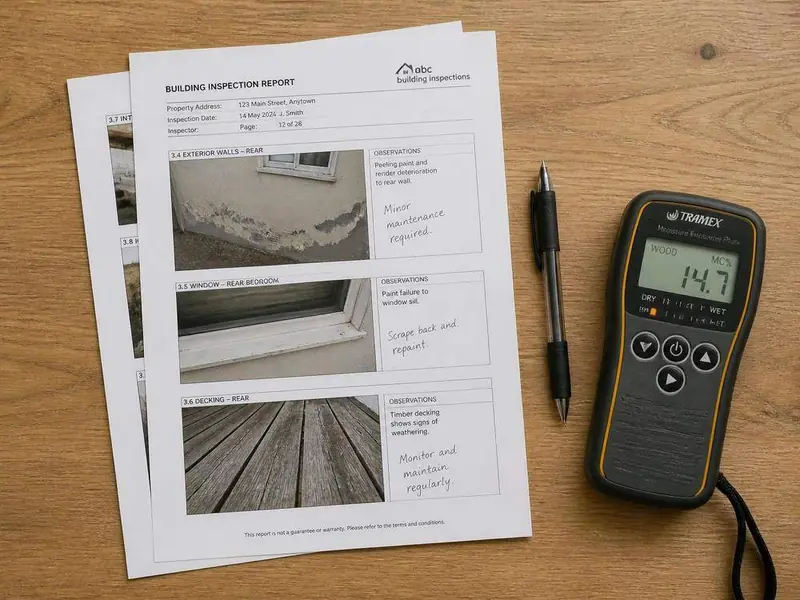
Once the source of a water leak in your Melbourne property is confirmed, we prepare a repair scope for the actual fault and the materials that have been affected, from shower regrouting and shower grout repair to plumbing and waterproofing work.
The work may involve more than one trade. Before starting, we confirm who needs to be involved, how the area will be accessed and whether concealed damage could change the job.
Repair direction by area
- Bathrooms, showers and laundries: plumbing or waste repairs, shower-screen adjustment, resealing, grout replacement and localised or complete waterproofing work.
- Basins and vanities: repair taps, hoses, traps and basin seals, then dry or reinstate damaged cabinetry and wall linings.
- Balconies, alfresco areas and stairs: repair joints, thresholds, outlets and penetrations, with resin injection where the construction is suitable or reconstruction where failure is widespread.
- Gardens and planter boxes: correct irrigation and drainage, repair membranes and flashings, and address roots or raised soil levels with the relevant trades.
- Saunas and steam rooms: repair plumbing, drainage, seals, waterproofing or vapour-control details and improve ventilation where condensation is part of the problem.
- Swimming pools and spas: have pool pipework, penetrations, shell defects, joints, decks and plant equipment repaired by the appropriate licensed or specialist contractor.
- Affected internal areas: remove materials that cannot be retained, complete mould mitigation and HEPA cleaning, dry the structure and reinstate finishes.
Working safely in wet areas
- Isolate relevant water and electrical services.
- Set up the work area and protect finishes that will remain.
- Use suitable PPE, dust controls, containment and HEPA-filtered equipment for mould-related work.
- Have regulated work completed by appropriately licensed trades.
- Follow product instructions and required curing times.
- Remove affected waste safely, then dry and test the area before reinstatement.
Work will stop if suspected asbestos-containing materials, unsafe electrical conditions, structural damage or extensive concealed mould need specialist assessment.
If opening the area changes the job
Local repairs can often retain serviceable finishes. If opening the area reveals an unsuitable substrate, wider waterproofing failure or further damage, the revised scope should be documented before more work goes ahead.
Arrange water leak repairs
Complete the repair based on the test results and the condition of the affected area.
Related page: Start with wet-area and water leak detection