Timber pest
Termite inspection and management
Suspected termites? Leave the area alone and get it checked
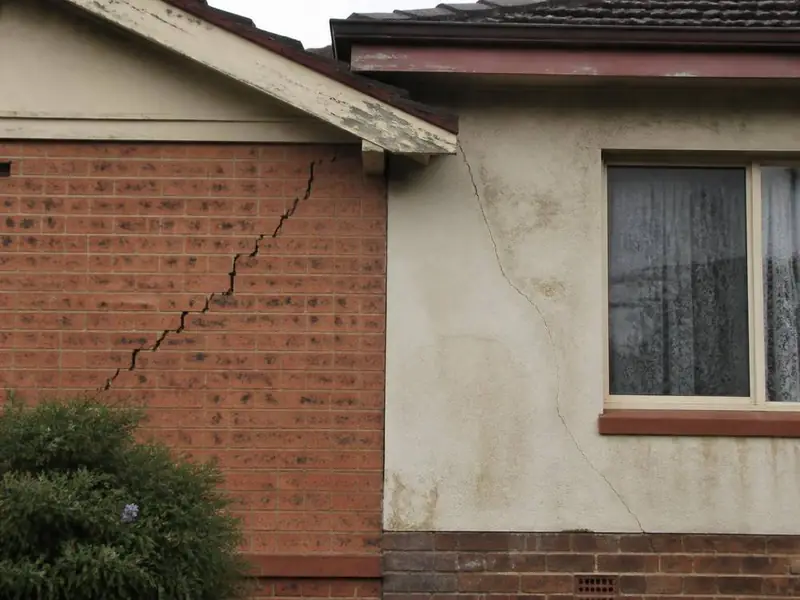
Termites can stay hidden inside timber, walls and subfloors for a long time. If you find something suspicious, leave it in place and arrange an inspection.
The inspection needs to separate live activity from old damage and other timber problems before treatment or repair begins.
What are termites?
Termites are social insects that feed on cellulose found in timber and other plant-based materials. They are often called white ants, although they are not ants. Only some species damage buildings, and much of that activity can be concealed.
Signs they may be present
- Mud-like tubes or material along footings, brickwork, pipes or timber.
- Timber that sounds hollow, feels soft or breaks away in thin layers.
- Cracked, blistered or uneven paint and plaster.
- Damage around skirting boards, door frames or architraves.
- Discarded wings near windows, lights or spider webs.
- Floors, doors or ceilings that have started to sag or move.
What you can do yourself
- Photograph the area and note where you found it.
- Leave mud tubes, timber and damaged finishes undisturbed.
- Move stored timber and cardboard away from the building.
- Keep soil, mulch and garden beds below inspection zones and weep holes.
- Fix plumbing, drainage and moisture problems, and keep subfloor vents clear.
What to leave alone and when to call
Do not spray suspected termites, break open their workings or pull out damaged boards before the inspection. Disturbance can make the activity harder to trace and may affect the treatment plan.
Call promptly for live termites, fresh mud tubes or damage in flooring, framing, stairs or other load-bearing timber. Keep people away from any area that appears unsafe.
How we investigate and treat it
- 1
Inspect the property
We check accessible internal and external areas, including the perimeter, subfloor and roof void where safe access is available.
- 2
Trace and record the evidence
Suitable detection tools may be used to assess suspect timber and moisture. Findings and access limits are documented.
- 3
Set the management plan
Depending on the species, building and location, options may include baiting, dusting, direct treatment or a chemical management system.
- 4
Time repairs and monitoring
Damaged timber is assessed after the termite plan is set. Building repairs may need a qualified builder or structural engineer, followed by ongoing inspection and maintenance.
Found something that looks like termite activity?
Leave the area undisturbed and contact DAC to arrange an inspection.
Related page: Pest control investigation