Remediation
Mould removal and mould remediation in Melbourne
Melbourne mould removal done properly: fix the moisture source, remove the affected material, then dry and verify
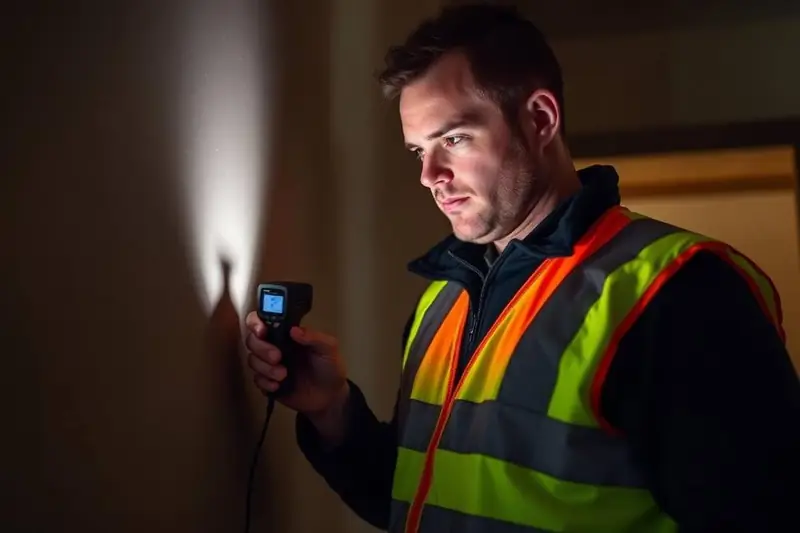
Cleaning visible mould is not enough if the materials are still wet or the moisture source is still active. Mould removal in Melbourne properties only holds once the water is dealt with.
We provide mould remediation across Melbourne, the Mornington Peninsula, Geelong and regional Victoria. We use the investigation findings to plan the containment, removal, cleaning and drying needed for that particular site, based on the affected materials, occupancy risks, access and the extent of disturbance required.
No mould treatment can provide a permanent result while the moisture condition remains unresolved, so remediation and repair are scoped together. That is the difference between professional mould removal and a surface clean, and why people searching for mould removal in Melbourne end up calling us after the mould returns.
Our mould removal services in Melbourne cover houses, apartments, rentals and commercial premises.
What the work may include
- Containing the work area and protecting adjoining finishes.
- Removing porous materials that cannot be safely retained.
- HEPA-filtered vacuuming and air management.
- Cleaning suitable surfaces that can remain in place.
- Structural drying with regular moisture checks.
- Practical recommendations for condensation and ventilation concerns.
- Controlled bagging and disposal of affected materials.
- Reinstatement coordination, completion photographs and final readings.
Building repairs, plumbing works, waterproofing, ventilation upgrades and reinstatement are coordinated separately where required.
When to arrange an assessment
- Growth covers more than a small isolated cleanable surface.
- Mould returns after cleaning or after a previous repair.
- Affected material is porous, damaged, soft or located inside a cavity.
- The area follows flooding, contaminated water, prolonged dampness or a significant water-entry fault.
- Air-conditioning, ductwork, insulation, carpet underlay or multiple rooms may be involved.
- Occupants include people with severe asthma, chronic lung disease, allergies or weakened immune systems.
How we remediate
- 1
Confirm the scope and controls
Findings, affected materials, occupants, access and work boundaries are checked before disturbance begins.
- 2
Isolate the work area
Floor protection, critical barriers and containment are installed where the scope requires them.
- 3
Manage the air
HEPA-filtered negative-air equipment and controlled work practices may be used to reduce movement from the work zone.
- 4
Remove unsalvageable material
Affected porous material is removed in a controlled manner and contained for disposal where it cannot be reliably cleaned.
- 5
Clean remaining surfaces
Detailed HEPA vacuuming and damp cleaning are completed using products and methods suited to the material and work plan.
- 6
Dry and verify
Moisture conditions, visible cleanliness and work completion are checked. Independent post-remediation verification may be recommended for larger, sensitive or disputed projects.
- 7
Repair and reinstate
Required plumbing, building-envelope, ventilation or finish repairs proceed after the area meets the agreed completion criteria.
Working safely
The controls depend on the size and condition of the job. They may include containment, personal protective equipment, HEPA-filtered air control, dust control and isolation of the work area. Remediation can disturb settled particles and spores, so the work method controls access, dust movement and waste handling rather than spreading contamination through the building. Susceptible occupants should not enter the controlled work area.
Final reinstatement should wait until the moisture source has been repaired or controlled and the area has dried. Work may be paused if suspected asbestos, unsafe electrical conditions, structural damage or extensive concealed mould needs specialist assessment.
Safe steps before we attend
- Keep people and pets out of the affected or contained area.
- Do not dry-brush, sand, scrape, demolish or use an ordinary vacuum on affected material.
- Do not paint over growth or rely on bleach as a substitute for moisture correction and material assessment.
- Move clean contents only when the remediation plan allows it; affected contents may need separate assessment or cleaning.
- Confirm that the moisture source is repaired or controlled before finishes are reinstated.
Completion checks
At the end of the job, we record the completed work, photographs and final moisture readings. Independent clearance assessment or laboratory sampling can also be arranged if the project calls for it.
Where we carry out mould removal in Melbourne
We attend mould removal and mould remediation jobs across metropolitan Melbourne and regional Victoria, including:
- Inner Melbourne terraces and apartments: Fitzroy, Carlton, Richmond, Brunswick, Port Melbourne and the CBD.
- Eastern and south-eastern suburbs: Camberwell, Box Hill, Glen Waverley, Bentleigh, Frankston and the Mornington Peninsula.
- Northern and western suburbs: Preston, Coburg, Essendon, Footscray, Werribee and Sunbury.
- Regional Victoria: Geelong, Ballarat, Bendigo, the Surf Coast, Gippsland and the high country.
Older weatherboard and solid-brick housing, newer volume-built homes and strata apartments each fail differently, so the mould remediation scope is set from what is found on site rather than a template.
Arrange mould removal in Melbourne
Send us the investigation findings, or book a mould inspection so the remediation can be scoped properly.
Related page: Source not yet confirmed? View mould inspection and moisture investigation